A blocked nose, facial pressure or repeated sinus infections does not automatically mean you need an operation. By comparing symptom duration, examination findings, CT results and response to treatment, you can understand whether an ENT assessment is enough, whether medical care should continue, or whether surgery deserves discussion.
Key takeaways
- Symptoms lasting 12 weeks need assessment, not automatic surgery.
- CT findings and nasal endoscopy must support the sinus diagnosis.
- Medication and saline treatment usually come before an operation.
- Ask about recovery, follow-up visits, risks, and expected symptom improvement.
Which patients may benefit from endoscopic sinus surgery?
Endoscopic sinus surgery is considered when symptoms continue for at least 12 weeks, appropriate medical treatment has not controlled them, and nasal endoscopy or a CT scan shows objective disease. The symptom pattern may include persistent nasal obstruction, thick drainage, reduced smell, facial pressure and repeated infections.
A blocked nose alone, or the number of infections alone, does not establish a surgical indication.
| Pattern or condition | What it means | When surgery may be considered |
|---|---|---|
| Chronic rhinosinusitis | Symptoms continue for 12 weeks or longer | Persistent disease with inflammation or blocked drainage seen on endoscopy or CT |
| Recurrent acute rhinosinusitis | Separate attacks with symptom-free intervals between them | Repeated, well-documented attacks after appropriate treatment, with supporting findings |
| Polyps or fungal disease | Nasal polyps, obstructive sinonasal polyps or allergic fungal rhinosinusitis | Obstruction or persistent disease despite medical treatment |
| Other blockage or growth | Structural blockage, selected benign or malignant tumours, or complications | A specialist confirms that surgery addresses the obstruction, tumour or complication |
The distinction matters: chronic disease causes ongoing symptoms, while recurrent acute disease consists of separate episodes. People asking who needs endoscopic sinus surgery in dombivli east should expect assessment of both the symptom history and objective findings, not a decision based on symptoms or a scan alone.
Surgery may also follow complications that persist after appropriate treatment, such as disease affecting nearby structures. Saline irrigation, an intranasal corticosteroid spray and relevant allergy treatment usually come before elective surgery; antibiotics are used when bacterial infection is diagnosed.
When do sinus symptoms justify an operation rather than an ENT assessment?
Facial pressure, reduced smell, thick nasal discharge, recurrent infections or persistent obstruction justify an ENT appointment, not an operation. Sinus surgery indications require troublesome symptoms that continue despite appropriate medical treatment, plus nasal endoscopy or CT showing sinonasal inflammation or blocked drainage pathways.
| Finding or symptom | What it may mean | Usual next step |
|---|---|---|
| Persistent symptoms plus inflammation or blocked drainage | Supports sinus surgery indications | Discuss surgery after medical treatment |
| Migraine, tension-type headache, neuralgia or temporomandibular-joint disorder | Pain may not come from the sinuses | Headache, dental or jaw assessment |
| Allergic or non-allergic rhinitis, enlarged turbinates, or a deviated septum without sinus disease | Causes blockage without sinus inflammation | Medical treatment or targeted nasal care |
| Tooth infection or an oral-maxillary sinus connection | One-sided sinusitis may have a dental source | Dental treatment alongside ENT care |
| One-sided blockage, bloody discharge, recurrent nosebleeds, facial swelling, visual changes, double vision, severe headache or neurological symptoms | Possible tumour, invasive infection, or orbital or intracranial complication | Prompt ENT assessment |
A blocked nose or facial pressure alone does not establish a surgical indication. Operating on a normal or minimally inflamed sinus may not relieve migraine, jaw pain or neuralgia, while treating only the sinus can fail when an infected tooth or mouth-to-maxillary-sinus connection remains.
Seek urgent assessment for the warning signs above rather than continuing self-treatment.
What treatment and tests come before deciding when sinus surgery is needed?
When sinus surgery is needed, doctors usually reach that decision after sinus blockage treatment has failed to control a persistent problem, not after one congested week. They assess symptom duration, whether infections are separate attacks with symptom-free intervals, and whether obstruction, drainage or reduced smell disrupts sleep, work or daily activities.
- Use regular saline irrigation to clear mucus and irritants.
- Use an intranasal corticosteroid spray as prescribed to reduce swelling.
- Treat relevant allergy with avoidance measures or allergy medicines.
- Use antibiotics only when a bacterial infection is diagnosed, not for routine congestion.
- Manage asthma or aspirin-exacerbated respiratory disease when either condition is present.
Nasal endoscopy directly views the nasal passages, polyps, discharge and sinus drainage areas. A sinus CT scan maps bone anatomy, blocked drainage pathways and inflammation for surgical planning.
CT is normally obtained before planned surgery, but not for every sinusitis episode; an abnormal scan alone is not a reason for an operation because scan changes can occur without significant symptoms. Surgery becomes a consideration when symptoms remain troublesome despite appropriate treatment and the history matches objective findings on endoscopy or CT.
What happens during surgery, and what should you expect afterward?
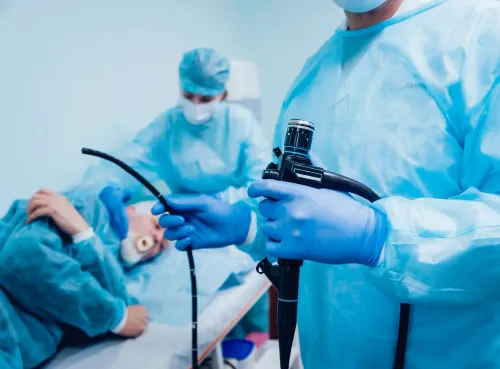
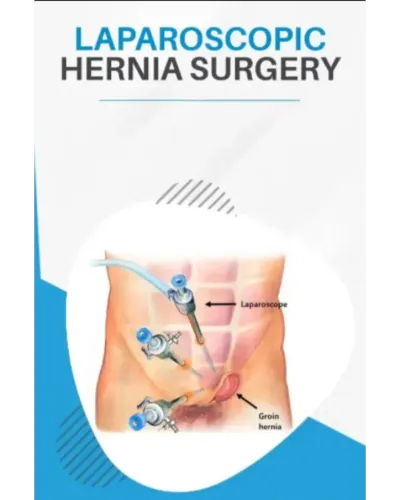
The surgeon passes a camera and fine instruments through the nostrils to reach the sinus openings. Selected blocked drainage pathways are widened, and polyps or diseased tissue are removed when indicated, while normal lining is preserved wherever possible.
Standard cases do not require external facial incisions. The exact approach depends on your sinus anatomy, CT findings and the disease being treated, so endoscopic sinus surgery in Dombivli East is not identical for every patient.
Surgery improves access and drainage; it does not remove the tendency toward mucosal inflammation. Symptoms or nasal polyps can therefore return, and persistent disease or revision surgery remains possible. Recognised risks include bleeding, infection, adhesions or scarring, and incomplete symptom improvement.
Rare but serious complications include injury around the eye, a cerebrospinal-fluid leak and intracranial injury.
After the procedure, follow the prescribed plan rather than judging recovery by congestion alone:
- Rinse the nose with saline as instructed; poor technique or skipped rinses can allow crusts to build up.
- Use a prescribed intranasal corticosteroid spray when directed, especially if inflammation or polyps are part of your disease.
- Attend endoscopic cleaning and review appointments so the surgeon can remove crusts, check healing and identify adhesions early.
- Continue allergy treatment and asthma management when relevant, because uncontrolled inflammation can undermine the surgical benefit.
Contact the surgical team promptly for heavy bleeding, worsening swelling around the eye, vision changes, severe headache, fever or clear watery drainage.
How can you evaluate an endoscopic sinus surgery decision in Dombivli East?
Bring a symptom record, not just a CT report, to a consultation for endoscopic sinus surgery in dombivli east. Note how long symptoms have lasted, whether attacks are separate with infection-free intervals, which medicines you tried, allergy or asthma history, smell changes, sleep disruption, and any previous CT or nasal endoscopy reports.
Ask these questions:
- Which diagnosis is being treated: chronic rhinosinusitis, polyps, recurrent acute disease, fungal disease, structural blockage, or another condition?
- What did the nasal endoscopy and CT show, and do those findings match my symptoms?
- Do I need dental assessment for an upper-tooth infection, or headache assessment for migraine or another cause?
- What medical treatment remains, including saline irrigation, nasal corticosteroid spray, allergy treatment, or asthma management?
- Which sinus pathways will you open, what improvement is realistic, and what follow-up is included?
A specialist consultation at Jeevanshree Hospital can connect the clinical assessment, nasal endoscopy, imaging review, treatment history and surgical discussion for people considering this procedure.
| Evidence | What it means | Decision value |
|---|---|---|
| Symptoms plus objective findings | Your history matches inflammation or blocked drainage on endoscopy or CT | Supports informed selection |
| Abnormal CT alone | Imaging shows changes without matching symptoms or examination | Does not establish a surgical indication |
| Single congestion episode | A short-lived problem without a persistent pattern | Usually calls for assessment, not surgery |
The right candidate has aligned symptoms, objective disease and treatment response—not a scan alone.
Related service
Endoscopic Sinus Surgery Endoscopic Sinus Surgery is an advanced surgical procedure mainly performed to remove blockages in the sinuses because these blockages can cause... View service → |
Frequently asked questions
Who may benefit from endoscopic sinus surgery?
Patients with sinus symptoms lasting at least 12 weeks may benefit when appropriate medical treatment has failed and nasal endoscopy or CT shows objective disease.
When is sinus surgery needed instead of an ENT assessment?
Persistent blockage, thick drainage, reduced smell, facial pressure, or repeated infections justify an ENT assessment. Surgery requires confirmed disease and a treatment plan, not symptoms alone.
What tests and treatments come before sinus surgery?
An ENT specialist reviews your symptoms, examines the nose with nasal endoscopy, and may order a sinus CT scan. Medical treatment is tried before surgery when appropriate.
What happens after endoscopic sinus surgery?
The surgeon clears selected blocked sinus passages using an endoscope. Recovery includes nasal care, follow-up examinations, and instructions about activity, medicines, and warning signs.
Keywords