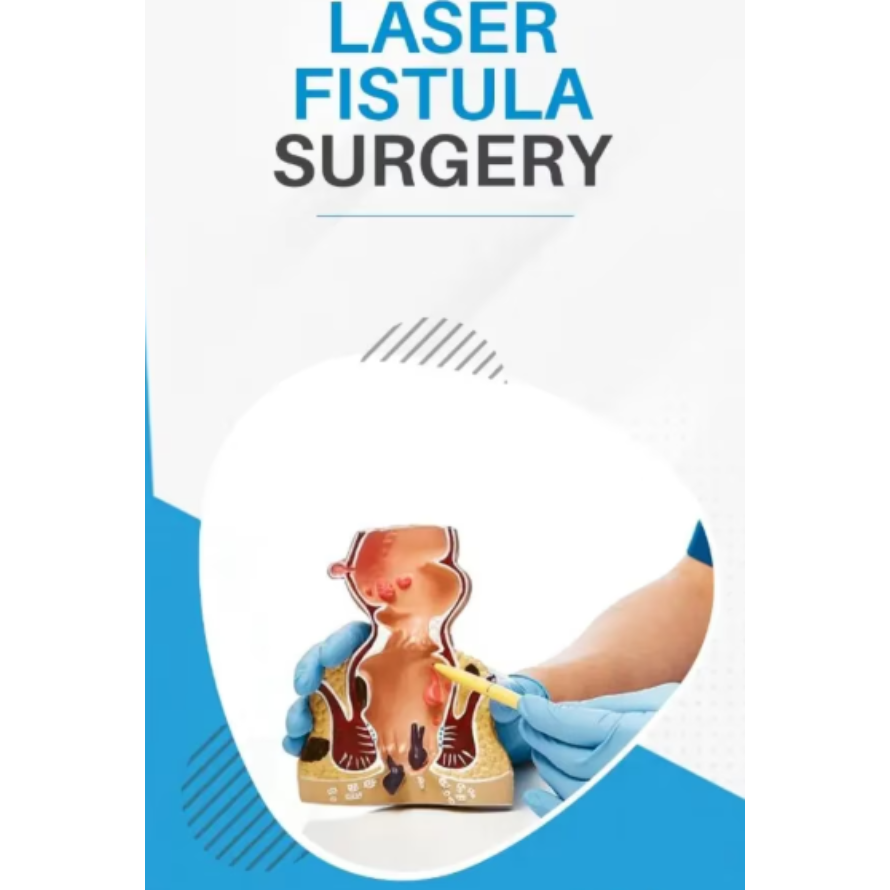
An anal fistula can be frustrating because discharge, irritation, swelling or pain may recur even after an apparent improvement. The underlying problem is usually an abnormal tract connecting the anal canal to the surrounding skin. Laser Fistula Surgery is one of the techniques that may be discussed for selected cases, but the correct treatment depends heavily on the fistula's anatomy.
This is why proper assessment should come before choosing a technique based only on the word “laser.”
Why are all fistulas not treated the same way?
A fistula can be simple or complex. Its tract may pass through different portions of the muscles responsible for bowel control, and there may be branches, previous abscess cavities or recurrent disease.
Treatment planning may consider:
- Location of the internal and external openings
- Length and direction of the tract
- Relationship with sphincter muscles
- Previous fistula procedures
- Recurrent abscesses
- Multiple tracts
- Associated bowel disease or other medical conditions
Clinical examination is important. Imaging such as MRI may be advised in selected complex or recurrent cases to map the tract more accurately.
What does laser treatment aim to do?
Laser-based fistula techniques are designed to treat the fistula tract using controlled energy. In appropriately selected cases, a sphincter-preserving approach may be considered because protecting continence is an important objective in fistula surgery.
However, no single method is appropriate for every fistula. Conventional procedures and other sphincter-preserving techniques also have established roles.
A surgeon should explain why a particular method fits the anatomy of the patient's fistula rather than presenting one technology as universally suitable.
Do symptoms disappear immediately?
Postoperative discomfort, drainage and wound-care requirements can vary according to the procedure performed. Patients should receive instructions about hygiene, bowel movements, diet, medication, activity and follow-up.
Recurrence is also an important subject to discuss because fistula disease can return, particularly when the tract is complex or has branches.
When does an abscess require attention?
Increasing anal pain, swelling, fever or pus discharge can indicate an abscess or active infection. Acute infection may require drainage or other treatment before definitive fistula management is planned.
For patients in Vithalwadi, Maharashtra, Jeevanshree Hospital can assess fistula symptoms and determine whether laser treatment or another surgical technique is appropriate based on clinical findings.
Choosing fistula treatment should therefore begin with accurate mapping of the disease. The technique matters, but understanding the tract and protecting normal function are equally important parts of surgical planning.
Keywords