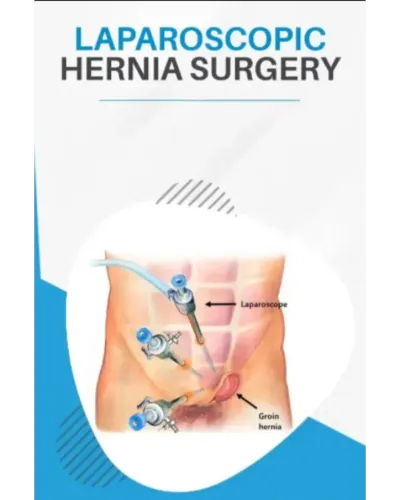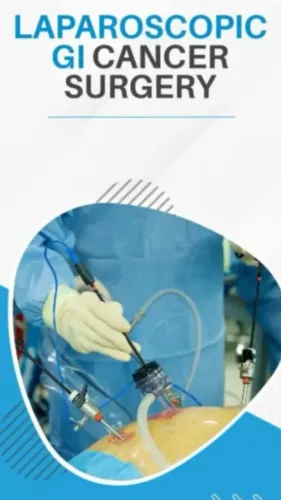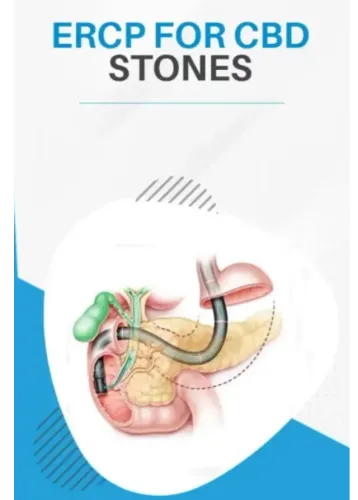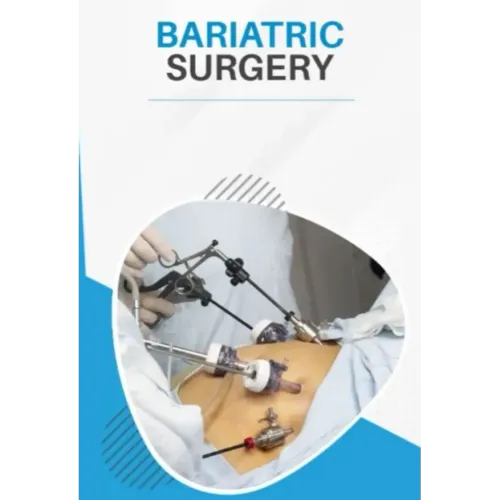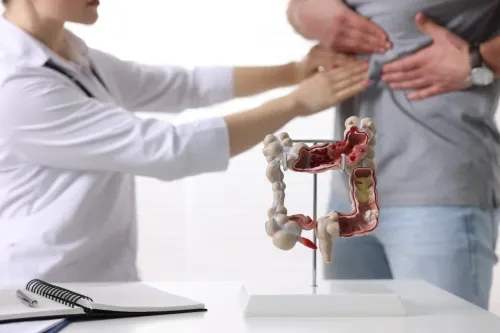
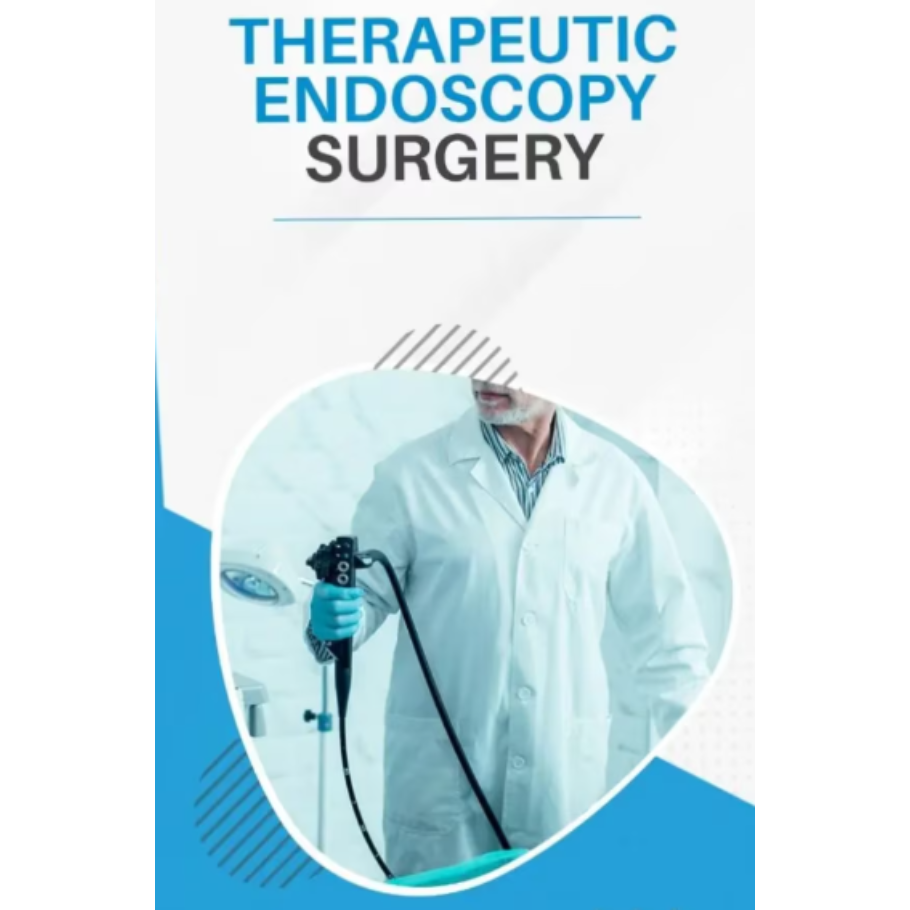
Many patients hear the word “endoscopy” and assume that it is used only to look inside the digestive tract. While diagnostic endoscopy is important for identifying abnormalities, Therapeutic Endoscopy Surgery refers to endoscopic techniques that can also be used to treat selected gastrointestinal problems without conventional open surgery.
Understanding the distinction can help patients know why a specialist may recommend an endoscopic intervention rather than observation or an operation.
Diagnostic and therapeutic endoscopy serve different purposes
During diagnostic endoscopy, a flexible instrument containing a camera is used to examine part of the gastrointestinal tract. The clinician may identify inflammation, ulcers, narrowing, growths or other abnormalities and may take tissue samples when required.
Therapeutic endoscopy goes a step further by using specialized instruments through the endoscope to perform treatment.
Depending on the condition and type of endoscopic procedure, treatment may involve:
- Controlling selected sources of gastrointestinal bleeding
- Removing certain polyps
- Treating some strictures or narrowed areas
- Removing foreign bodies
- Performing selected bile-duct interventions
- Placing stents where clinically indicated
- Carrying out other specialized endoscopic procedures
The exact procedure depends on the location and nature of the problem.
Why might endoscopic treatment be preferred?
When an appropriate condition can be treated through an endoscope, it may avoid the need for a conventional surgical incision. However, this does not mean therapeutic endoscopy is risk-free or suitable for every patient.
Bleeding, perforation, infection, reactions to sedation and procedure-specific complications can occur. The treating specialist should explain the relevant risks before consent.
In some situations, endoscopy may be one stage of treatment rather than the complete solution. A patient may still require surgery or additional treatment depending on the findings.
How should you prepare?
Preparation differs according to the procedure. Some upper gastrointestinal procedures require fasting, while lower gastrointestinal procedures may involve bowel preparation.
Patients should tell the clinical team about diabetes, heart conditions, allergies, pregnancy where relevant, previous procedures and medicines such as anticoagulants or antiplatelet drugs.
Medication changes should only be made according to medical instructions.
For people in Ambernath and surrounding areas of Maharashtra, Jeevanshree Hospital offers evaluation for gastrointestinal conditions where diagnostic, endoscopic or surgical treatment may need to be considered.
The most useful question before therapeutic endoscopy is not simply whether the procedure is minimally invasive. Patients should understand what problem is being treated, what the endoscopic procedure is intended to achieve, what alternatives exist and what follow-up will be required afterward.
Keywords