The experience depends on the examination you are having: a gastroscopy, colonoscopy, sigmoidoscopy, capsule study, and ERCP involve different preparation, equipment, and recovery needs. Knowing the sequence helps you follow fasting or bowel-cleansing instructions, plan transport, understand what you may feel, and recognise when a result is immediate versus sent to the laboratory.
Key takeaways
- Follow the fasting times written for your specific examination.
- Expect consent, identity checks, monitoring, and a discussion of sedation.
- Biopsies can be taken without adding a separate operation.
- Arrange transport home if sedation prevents you from driving safely.
Before you arrive: match the preparation to the examination
Preparation depends on the examination, so follow the written instructions for your specific diagnostic endoscopy process. For many gastroscopy protocols, stop solid food about six hours beforehand and clear liquids about two hours beforehand; local instructions and your medical condition take priority.
- Gastroscopy examines the oesophagus, stomach, and duodenum, so your stomach usually must be empty.
- Colonoscopy examines the entire colon. Follow a low-fibre or restricted-food diet, then take the prescribed laxative bowel preparation. Drink permitted clear fluids during cleansing to reduce dehydration.
- Flexible sigmoidoscopy examines the rectum and lower colon and usually needs a simpler bowel preparation.
- Capsule endoscopy involves swallowing a camera capsule; no scope is inserted.
- ERCP examines the bile and pancreatic ducts with an endoscope and X-ray guidance. Its fasting and medication instructions are specific.
2. Do not stop anticoagulants, antiplatelet drugs, diabetes medicines, or any prescription without instructions from the endoscopy team or prescriber. Tell them about allergies, pregnancy, medical conditions, and previous sedation or anaesthesia problems.
3. Arrange an escort if sedation is planned. The team may refuse discharge without one, because sedation can impair judgement and coordination even after what happens during diagnostic endoscopy appears finished.
Arrival, check-in, consent, and the endoscopy room
Registration starts the diagnostic endoscopy patient experience: you confirm your identity and referral, change into a gown, and provide a medication list. The nurse records blood pressure, pulse, oxygen saturation, temperature, breathing, and other observations, then checks allergies, medical conditions, previous sedation or anaesthesia problems, and your escort arrangement.
You meet these team members before the examination begins:
| Who you meet | What they do | When |
|---|---|---|
| Endoscopy nurse | Checks preparation, medicines, observations, and comfort | Check-in and procedure |
| Endoscopist | Confirms the referral reason, explains the examination, and obtains consent | Before starting |
| Sedation and recovery staff | Monitor consciousness, breathing, oxygen saturation, blood pressure, and pulse | If sedation is used |
The endoscopist reviews your preparation and answers questions before discussing the proposed examination, alternatives, benefits, and relevant risks. You give consent only after this discussion. Do not stop anticoagulants, antiplatelet drugs, diabetes medicines, or other prescriptions unless the endoscopy team or prescriber instructs you.
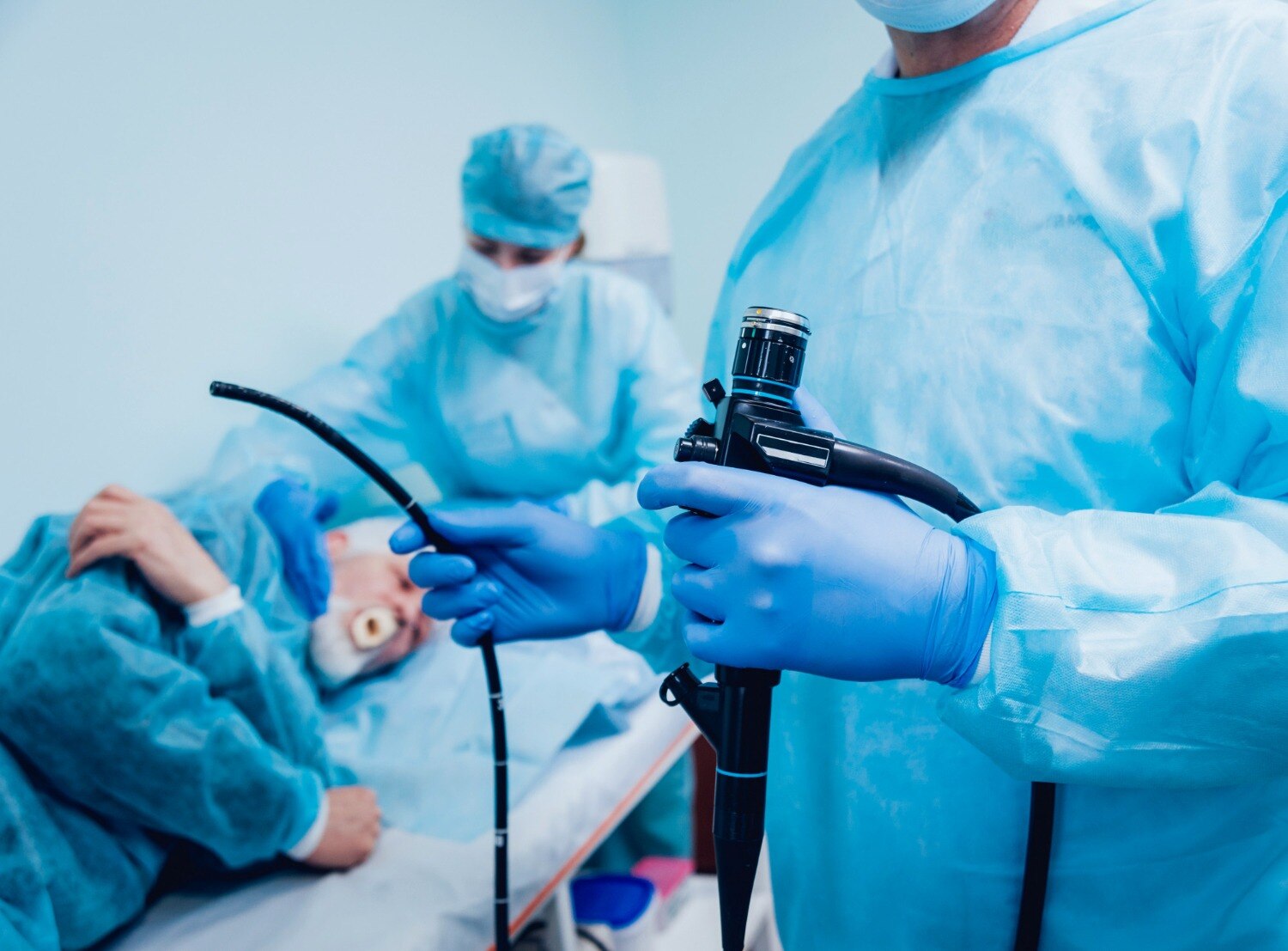
The room contains an adjustable procedure bed, an endoscope tower with a camera screen and light source, suction and irrigation controls, oxygen equipment, monitoring leads, a pulse oximeter, and a blood-pressure cuff. Emergency airway equipment remains immediately available.
At Jeevanshree Hospital, ask who will perform the examination, which sedation is available, when results will arrive, and which discharge rules apply.
Related services
Diagnostic Endoscopy Exploring Procedures, Benefits, and Types Diagnostic endoscopy is a medical procedure that allows physicians to examine the interior lining of... View service → |
Therapeutic Endoscopy Surgery Exploring Procedures, Benefits, and Types At Jeevanshree Hospital, we specialize in providing state-of-the-art therapeutic endoscopy surgery,... View service → |
Sedation, insertion, and what the endoscopist sees
What happens during diagnostic endoscopy depends on the examination and your sedation choice. Some people have no sedative; others receive throat-numbing spray, intravenous moderate (conscious) sedation, or general anaesthesia.
| Option | What you experience | What remains possible |
|---|---|---|
| No sedative | Awake and alert | Follow instructions normally |
| Throat spray | Numb throat; no drowsiness | Stay awake during gastroscopy |
| Moderate sedation | Drowsy, relaxed, and sometimes forgetful | Usually respond to instructions |
| General anaesthesia | Fully unconscious | Cannot respond during the examination |
A gastrointestinal endoscopy procedure usually places you on your left side. For gastroscopy, a mouth guard protects your teeth while the flexible gastroscope passes through your mouth into the oesophagus, stomach, and duodenum. Gagging or throat pressure can occur.
A colonoscope enters through the anus and rectum and travels through the colon; a flexible sigmoidoscope reaches only the rectum and lower colon. Pressure, cramping, and bloating are common as air or carbon dioxide expands the bowel. A capsule endoscope is swallowed and travels through the digestive tract without scope insertion.
The endoscopist directs the scope while watching the lining on a video monitor, suctions fluid, washes areas, takes photographs, and records findings. Small instruments can also pass through the scope when needed.
If sedation is used, staff continuously assess consciousness, breathing, oxygen saturation, blood pressure, and pulse. Oxygen and airway equipment remain immediately available.
Biopsies, polyps, and why the final answer may come later
A biopsy does not automatically mean cancer. During a gastrointestinal endoscopy procedure, small instruments pass through the endoscope to collect tissue, remove some polyps, stop bleeding, or perform another indicated intervention.
You generally do not feel a gastrointestinal biopsy because its lining does not sense cutting like skin. The diagnostic endoscopy patient experience can still include pressure, gagging, cramps, or bloating from the examination itself.
A normal-looking lining can still be sampled. Microscopic disease may not change what the camera sees, so biopsies can investigate inflammation, coeliac disease, infection, microscopic disorders, or other invisible changes.
The endoscopist’s immediate visual impression and the laboratory’s final tissue analysis are different answers.
| Finding | What it tells you | When available |
|---|---|---|
| Visual impression | What the endoscopist saw, such as an ulcer, polyp, or apparently normal lining | During the procedure or at discharge |
| Pathology report | Whether tissue shows inflammation, abnormal cells, or what type of polyp was removed | After laboratory examination |
Discharge paperwork may record visible findings first, followed by a later pathology result. Before leaving, ask:
- When will the results be released?
- Who will explain the pathology report?
- Is a follow-up appointment already arranged?
A delayed final answer reflects the time needed to examine tissue, not proof that the finding is serious.
Recovery, discharge, and the rest of the day
After the scope is removed, staff transfer you to a recovery area. Nurses observe you until you are sufficiently awake and repeat checks of breathing, oxygen level, pulse, and blood pressure. If sedation was used, they also monitor consciousness and keep airway equipment available.
- Preparation and check-in can take longer than the examination. The procedure itself varies with the test, findings, biopsies, and treatment performed.
- Intravenous sedation usually makes recovery longer. Do not leave until staff confirm that you are alert enough for discharge and explain your instructions.
- A responsible adult should normally take a sedated patient home and remain with them for the period specified by the service. For 24 hours, follow local instructions not to drive, operate machinery, drink alcohol, sign important documents, or make major decisions.
Common effects during endoscopy recovery include a sore throat after gastroscopy, gas-related fullness or cramps, tiredness, and temporary bowel changes after colonoscopy preparation. Small blood streaks can follow a biopsy or polyp removal; ask the discharge team what amount is expected and which number to call.
Seek urgent medical advice for severe or worsening chest or abdominal pain, persistent vomiting, breathing or swallowing difficulty, significant bleeding or black stools, fever, fainting, or marked swelling. These instructions complete the diagnostic endoscopy process, but your written discharge advice takes priority.
Frequently asked questions
How should you prepare before diagnostic endoscopy?
Follow the written instructions for your examination. Many gastroscopy protocols stop solid food about six hours before the procedure and clear liquids about two hours before it, but your clinician’s instructions and medical condition take priority.
What happens when you arrive for diagnostic endoscopy?
The team confirms your identity, medical history, medicines, allergies, fasting status, and consent before moving you to the endoscopy room. Staff monitor your vital signs during the examination.
What happens during the gastrointestinal endoscopy procedure?
After any agreed sedation, the endoscopist guides the flexible endoscope through the relevant passage and examines the lining on a monitor. The team can collect tissue samples or remove suitable polyps during the examination.
Why might endoscopy results take longer after the procedure?
The endoscopist may explain visible findings before discharge, but biopsy and polyp samples require laboratory examination. The final answer arrives after those results are reviewed.
What is endoscopy recovery like after discharge?
You remain in recovery while staff check your alertness and vital signs. If you received sedation, arrange an escort and avoid driving, operating machinery, signing important documents, or drinking alcohol for the period specified by your care team.
Keywords